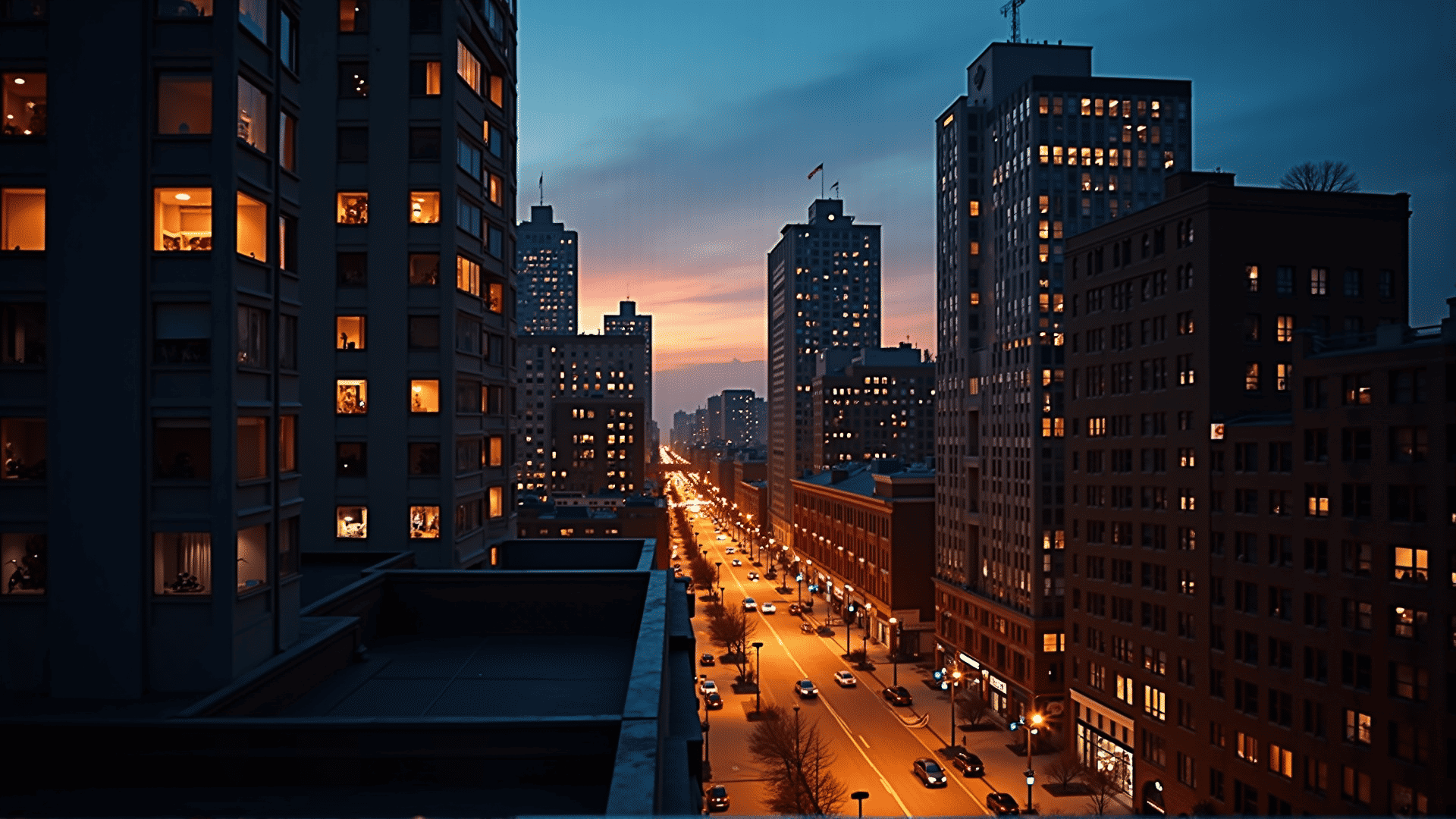
Illuminate your world and elevate your images by mastering the art of lighting. Whether you’re seasoned in capturing moments or just exploring this creative avenue, understanding and utilizing light effectively can make a significant difference in your visual storytelling.
The Basics of Lighting
At the core of every impactful image lies a profound appreciation of light. Light dictates the mood, highlights the focal point, and outlines textures, shaping how a viewer perceives the scene. Recognizing the role natural light plays, from the soft hues of dawn to the dramatic tones created by shadows, allows for a nuanced approach. Observing how various times of day alter the scenery, and experimenting with different weather conditions can open up a palette of opportunities to enhance your work.
The Power of Direction
The angle from which light strikes your subject sets the overall tone. Side lighting introduces depth and dimension, emphasizing textures and contours, which is excellent for creating dynamic storytelling. Meanwhile, backlighting can result in stunning silhouettes that add a mysterious element, letting your subject appear ethereal against a glowing backdrop. Front lighting, on the other hand, serves well in minimizing shadows and highlighting details, perfect for portraits that demand attention to facial features.
Manipulating Light with Tools
Harnessing reflectors, diffusers, or even improvised items like white boards can help control and modify light to suit your needs. Reflectors bounce existing light back onto your subject, softening harsh shadows and providing a balanced illumination. Meanwhile, diffusers can be employed to soften the impact of direct sunlight, casting a gentle glow to avoid high contrasts in your exposure.
Creative Use of Artificial Light
When natural light is scarce, or when creating a controlled environment is essential, exploring the avenue of artificial lighting can provide versatility and creativity. From elegant portraits to lively interiors, using lamps or overhead fixtures to create mood and vibe is just one approach. Utilizing string lights or LEDs can add a splash of color and modern flair, breaking away from traditional narratives.
Mastering Shadows and Highlights
Shadow play invites intrigue and drama into your frame. By controlling the distribution of shadows, you can either reveal or conceal aspects of your image, guiding the audience's focus to the core essence of your story. Meanwhile, highlights can emphasize key areas, adding sparkle and life to your subject. Balancing both elements ensures a harmonious composition that delights the eye and evokes emotion.
Continual Experimentation
Ultimately, becoming proficient in lighting requires hands-on exploration and open-mindedness. Test out various conditions, tweak the placement of sources, and observe the transformations in your scene. Each picture you take will build your intuition, allowing you to anticipate how different light scenarios will influence your subject, preparing you to harness light as an expressive tool.
In conclusion, light is not merely a tool but a partner in your journey towards creating captivating imagery. Embrace its complexities and possibilities, and watch as your pictures shift from merely good to undeniably great.