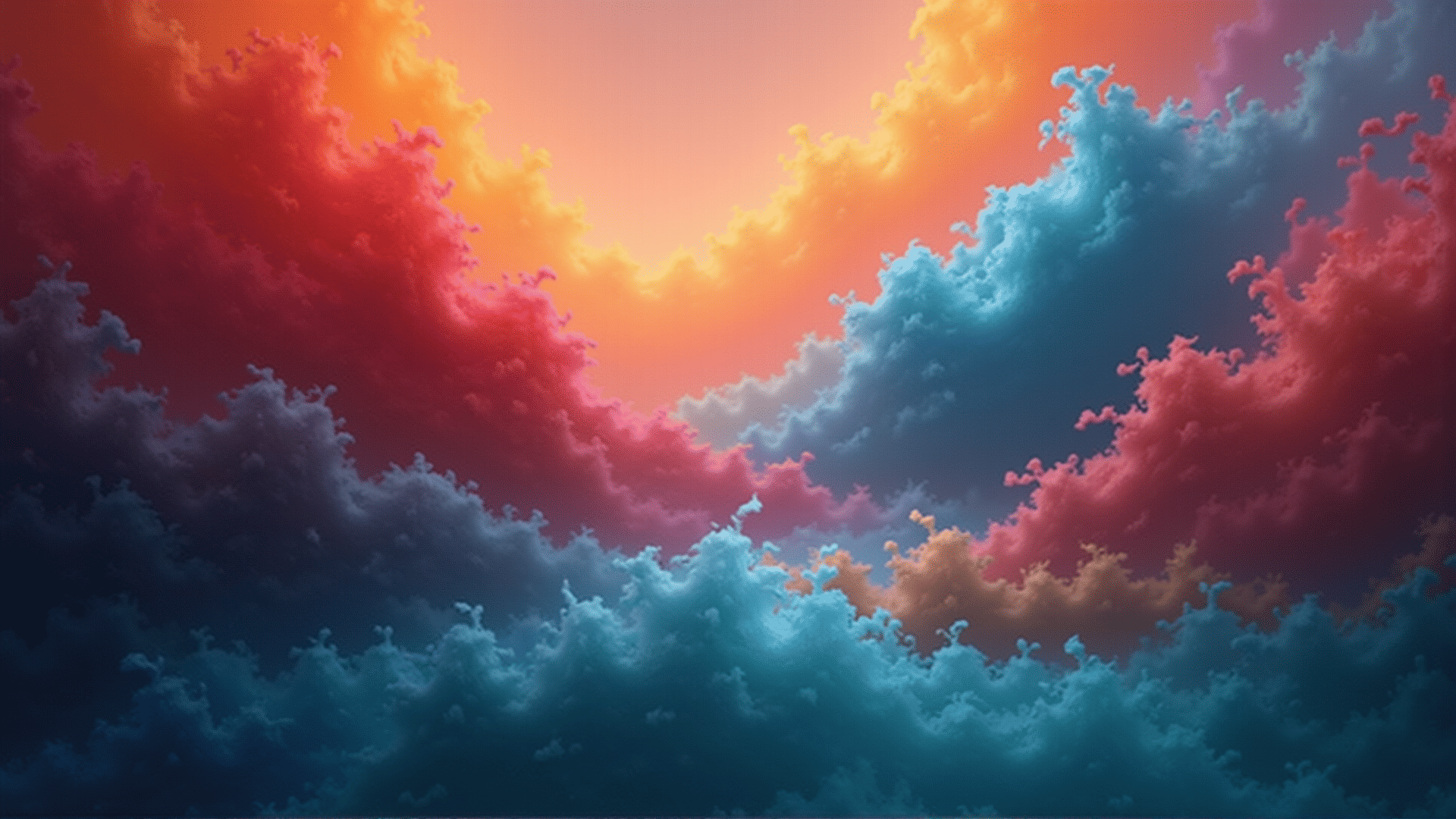
Color holds a remarkable influence in the world of visual arts, especially in the realm of photo creation. When wielded with understanding and intention, color becomes an expressive tool that elevates a simple image into a powerful narrative. The use of color can not only attract viewers but can also elicit a wide range of emotions and reactions, allowing photographers to convey complex ideas or moods within a single frame.
Consider the vibrant reds and oranges of a sunset. These warm tones often evoke feelings of passion, energy, and warmth. They can transform a serene landscape into a powerful statement of nature's prowess. On the other hand, cool blues and greens tend to create calm, tranquil, and soothing atmospheres. A photograph of an expansive ocean or a lush forest bathes the viewer in serenity, suggesting peace and relaxation.
One of the most intriguing aspects of color in visual compositions is its ability to guide the viewer’s attention. Bright, saturated colors naturally capture the gaze, drawing attention to particular parts of an image. This can be effectively used to highlight the main subject or create points of interest.
Moreover, color contrast is an essential element that can bring about striking visual effects. Complementary colors, such as blue and orange or red and green, placed together can create vivid contrasts that make elements pop and add dynamism to an image. Such contrasts can heighten drama and intrigue, making an image more captivating.
Beyond aesthetics, colors are imbued with cultural and contextual connotations. In different cultures, specific colors may represent varying concepts, making it important to understand these associations when choosing a palette for global audiences. For example, while white is often associated with purity and peace in Western cultures, it is traditionally linked with mourning in some Eastern countries.
The psychological impacts of color should not be underestimated. The careful selection of hues can evoke a spectrum of emotions. A photograph bathed in soft pastels can bring about nostalgia and romance, while bold, saturated colors might convey enthusiasm and vibrancy. Thus, understanding the psychological undertones of colors enables a more profound connection between the image and its viewers.
Another technique to enhance storytelling through color is the use of a limited color palette. Restricting the number of colors in a photo can create a harmonious and unified look, emphasizing the story you wish to tell. This can be particularly effective in conveying a consistent mood or theme across a series of images.
Additionally, post-processing offers numerous possibilities for color manipulation. Adjusting hues, saturation, and brightness can refine the mood or highlight details that might have been overlooked during the shoot. However, moderation is key, as over-processing can lead to unnatural results that may detract from the authenticity of the subject matter.
In closing, color is not merely an afterthought in the creation of compelling images; it is a fundamental aspect that holds the potential to transcend basic visuals into realms of emotion and thought-provoking narratives. By consciously exploring and mastering the use of color, photographers can deepen the emotional impact of their work, crafting images that resonate and endure.