Understanding how to manipulate light can dramatically transform the images you create. Whether capturing landscapes, portraits, or still life, lighting is a crucial element that can significantly influence the mood, depth, and overall impact of a photograph.
Natural Lighting
Natural light often serves as the starting point for many photographers due to its accessibility and versatility. It is essential to recognize the various aspects of natural light, such as the time of day, weather conditions, and geographical location. Each of these factors brings a unique quality to your photos.
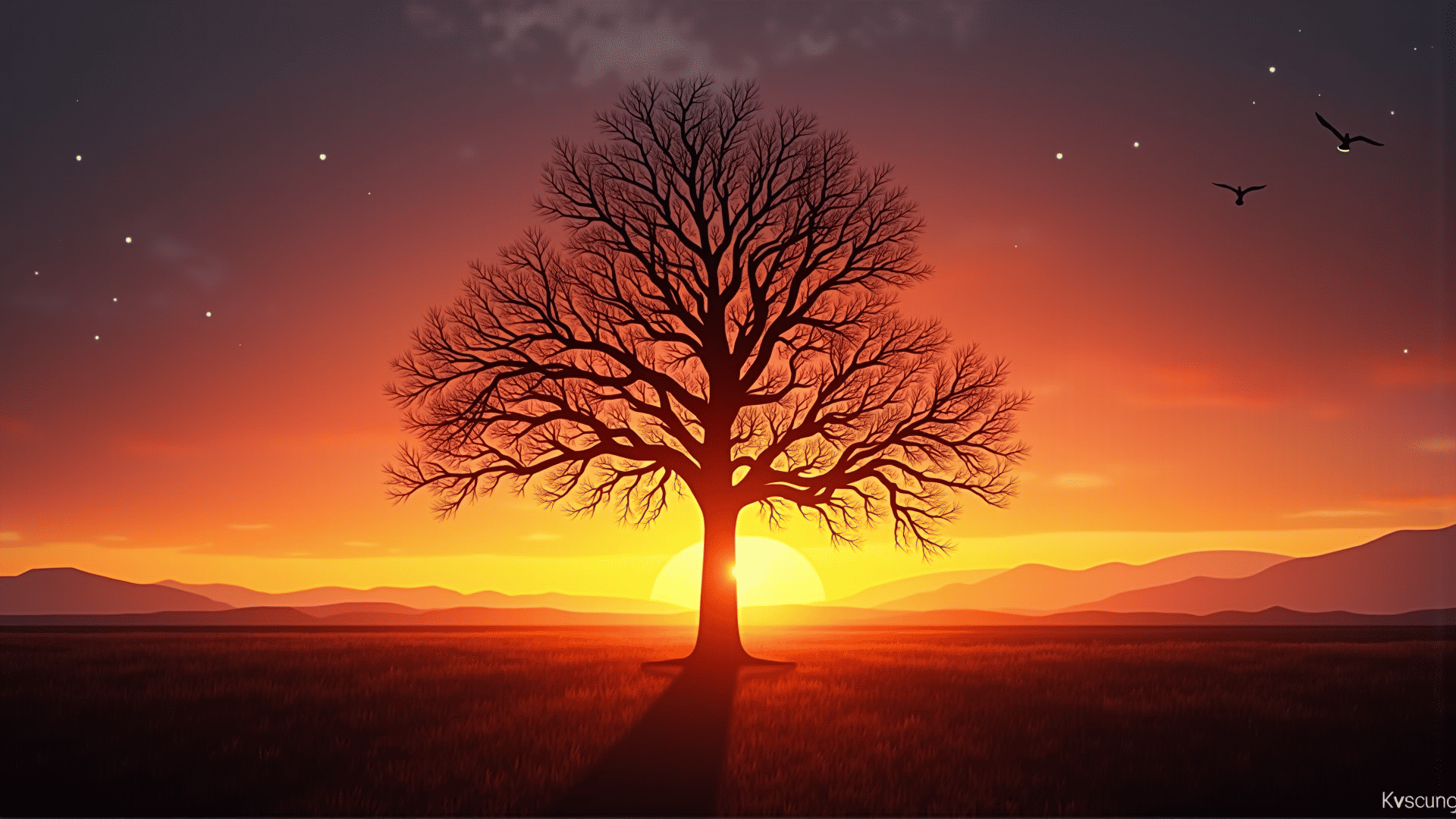
Morning and evening hours offer softer, more diffused sunlight, casting long, gentle shadows that lend an ethereal quality to your images. This period, known as the golden hour, is revered for its warm tones and flattering effects in portraiture and landscape photography. In contrast, midday light is harsher, casting strong shadows and creating high contrast within your images. However, it can be used creatively to convey an atmosphere of intensity or drama.
Overcast weather provides diffused light, reducing harsh shadows and creating a serene ambiance. It can be particularly beneficial for portraiture, ensuring even skin tones and soft outlines.
Artificial Lighting
When natural light conditions are not ideal, or when you wish to have more control over the lighting scenario, artificial lighting becomes indispensable. Mastering artificial light involves understanding the tools and techniques available to you.
Key Light: This primary light source sets the tone for your lighting scheme, whether high-key or low-key. Positioning it at varying angles will help define the subject’s features, casting light and shade to create depth.
Fill Light: Used to eliminate unwanted shadows created by the key light, fill light should be softer and less intense. It provides balance, ensuring details in the shadow areas are not lost.
Backlight: This is placed behind the subject to create separation from the background, adding a sense of depth or even a dramatic halo effect. It can be particularly effective in portrait settings.
Reflectors and Diffusers: These accessories allow more control over the light’s direction and quality. Reflectors bounces light into the shadows, enhancing detail, while diffusers soften the light, reducing harshness and glare.
Creative Techniques
By merging various lighting techniques, you can develop a style unique to your work. Experimentation is key—try incorporating colored gels to introduce mood-enhancing hues or utilize hard light sources for graphic and intense images. Through practice and exploration, you’ll uncover combinations that resonate with your artistic vision, allowing your imagery to transcend the ordinary.
In conclusion, a deep understanding of lighting transforms your photographic capabilities, enhancing every capture to convey the desired emotion and story. Embrace the power of light, and watch as it breathes life and dimension into your work.